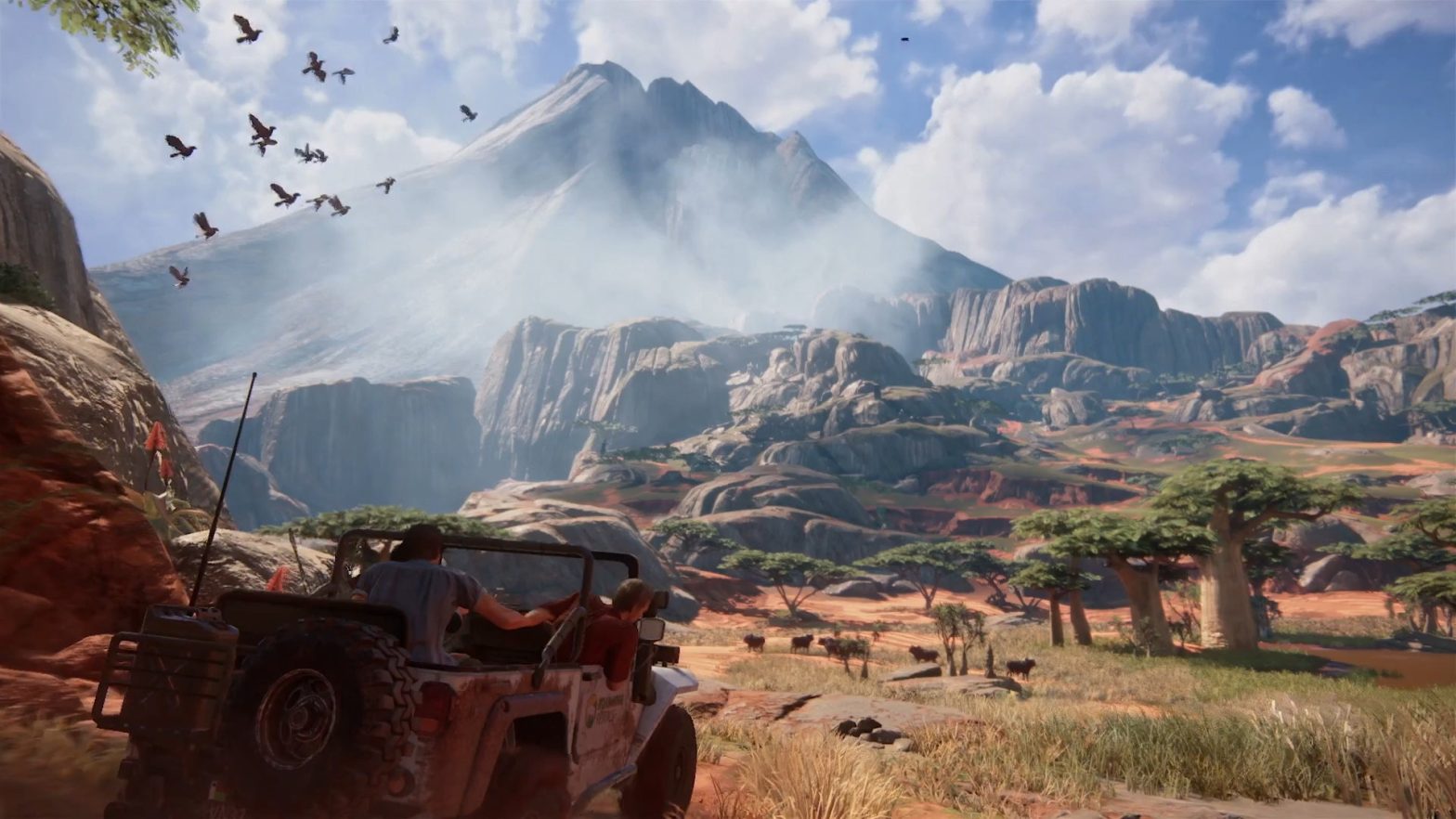
Uncharted 4 for PS4; Image credit: Wired.com
We’re finally here at the end of our “Played in 2019” series! We finish our trios with a quartet bonus. Thank you so much for tuning in! We look forward to more after a season break.
Uncharted 4 (2016)
No series consistently delivers blockbuster entertainment like Uncharted. Nathan Drake is a globe-trotting treasure-hunting banter-spouting rogue. It took awhile for Nathan to become something more than an Indiana Jones or Lara Croft surrogate, but the games soon found their own voice. For instance, while the Tomb Raider became more open-world and incorporated elements like hunting, crafting, and unlocking skills, Uncharted remains a streamlined, linear experience, with only occasional collectables off the beaten path. There is usually some big-ticket goal and reaching it alternates through stealth, shooting, climbing, and light puzzle-solving, punctuated by the game’s signature cinematic action set pieces.
For some, Uncharted may feel dumbed-down compared to more complicated games, but the tight focus allows developer Naughty Dog to control the pacing with exquisite precision. There are a lot of smart tricks to maintain momentum: subtle indicators of where you can jump and hang, automatic healing after a few moments free from gunfire (no scrounging for medkits or popping open inventory screens), and backstory delivered via organic conversations while you drive (and I will defend the driving against Kelley’s aspersions!). It comes as close to playing a movie as I’ve ever experienced. It lacks innovation, but makes up for it with polish.
Uncharted 4 has Nathan returning to his roots: reuniting with his long-lost brother to seek pirate treasure. However, the real tension isn’t whether he’ll find the gold (of course he’ll find the gold!), it’s whether he’ll pursue his self-destructive tendencies towards monomania and risk-taking, or accept the life-style changes like responsibility and stability that are requisites for marriage and family. I’ve really enjoyed getting to see franchises like Uncharted and God of War mature. Playing as Nathan Drake or Kratos was always fun, but I never expected to actually care about them like I do novel or movie characters. That’s a leap forward at least as impressive as the ones in gameplay and graphics. (Did I mention that game looks stunning?)
Score: 9.5 / 10
–Brian
I went into Uncharted 4 completely ignorant about the characters and the series as a whole. I had a vague understanding that I would be controlling a man, but that was it.
From the first moments of the game, it did an excellent job bringing the uneducated masses (i.e. me) up-to-speed on the life and many adventures of Nathan Drake. It genuinely felt like a movie sequel that provided a well-constructed recap of what happened in the previous films, without spoiling anything big from the other titles in the series. It also gave a good backstory to the character before diving into the tutorial, where the game flashes between Nathan’s first experiences with B&E and a treasure hunt gone-wrong.
The whole game revolves around helping Sam, Nathan’s older brother, out of an unfortunate situation with some unpleasant individuals. Nathan runs, jumps, climbs, and shoots to get closer to his goal of pirate treasure and saving Sam. The game is entirely linear, but that adds to the feeling that you are playing a character in a movie instead of a video game. The story is fluid and constantly moving forward, with well-placed cut scenes to add to or break moments of tension. This feeling was compounded by the lack of loading screens that occur during chapter breaks.
The one thing I will say against Uncharted 4 is that I disliked the vehicle sections of the game. There is a rather elaborate car chase that I found long and gratuitous. I was also not terribly fond of the jeep-driving portions, but thought these made sense to show how Drake and co. traveled in the game.
I enjoyed this experience so much, I went back and completed the first Uncharted game. More on that in a future review.
Score: 9 / 10
–Kelley
Owlboy (2016)
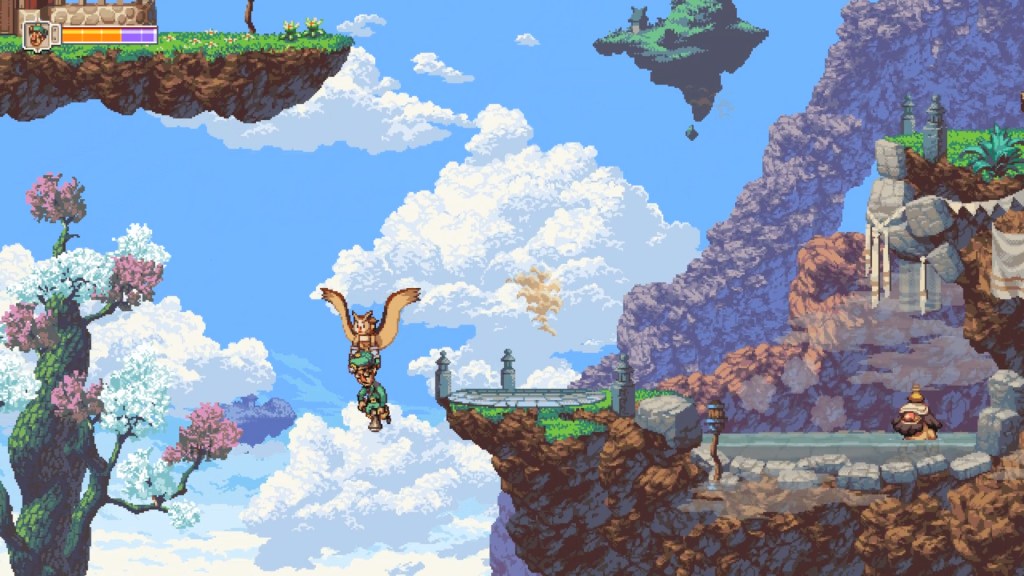
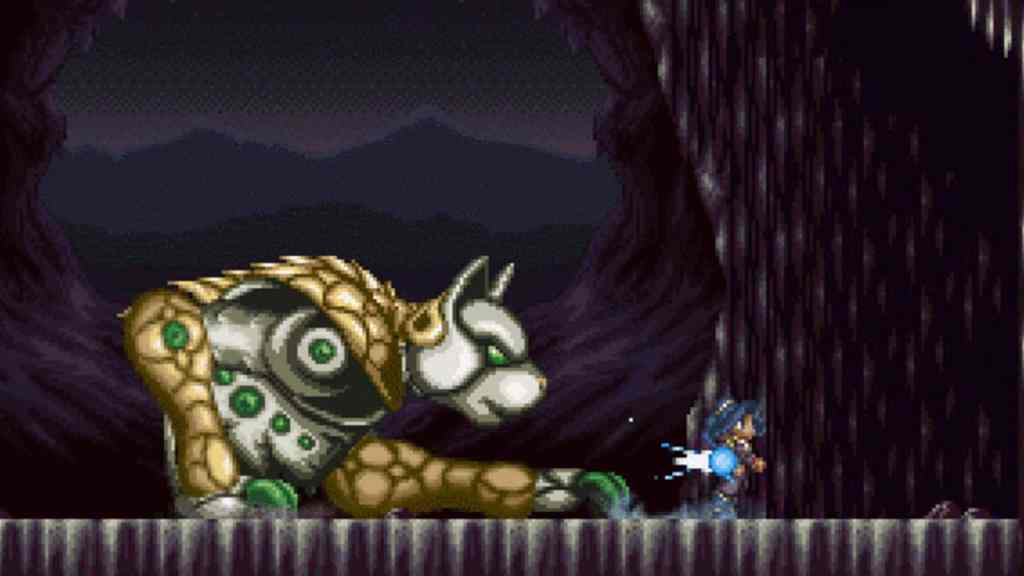
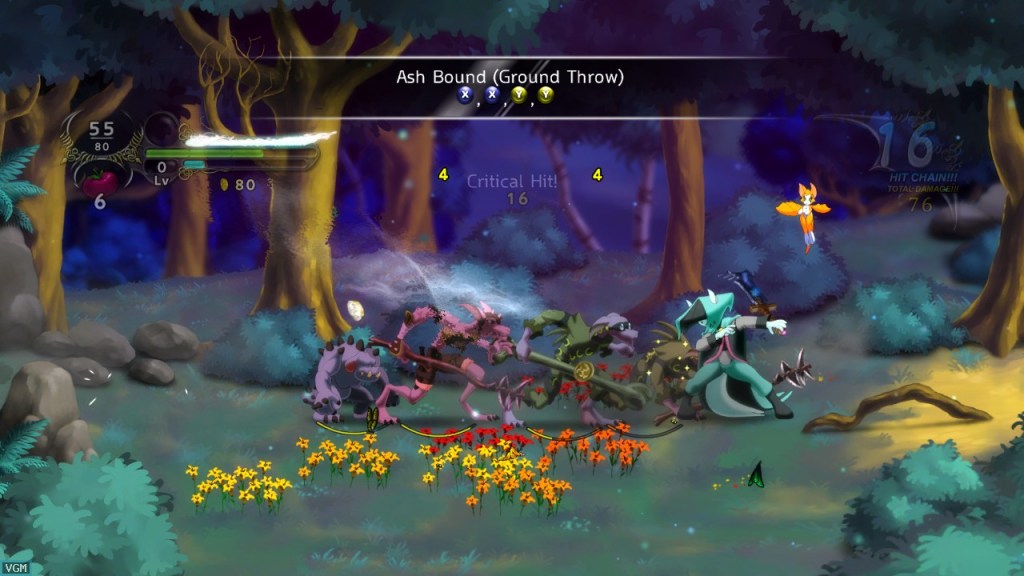
I suspect that many games affecting a retro aesthetic are just being lazy. Owlboy, a 7-hour side-scroller that spent almost 10 years in production, is safely immune to that accusation. If ever there was a modern game where every background pixel felt hand-chiseled by a master jeweler, here it is. And the soundtrack is similarly excellent: nostalgically rooted in the best tunes of classic SNES RPGs, but never derivative. The gameplay isn’t quite as perfect, but it still offers originality, challenge, and a brisk pace studded with set-pieces.
Since Owlboy can fly from day one, half the history of platforming gets chucked out the window and replaced with something akin to a chill SHMUP dungeon-crawl with a few stealth segments. I wished Owlboy was longer, with more abilities and places to explore, but it’s actually nice to play a metroidvania that is lean and focused. One change I would insist upon is to give the main character a voice. Silent protagonists are rarely engaging and Owlboy’s meek muteness never won me over.
Score: 7.5 / 10
–Brian
Donut County (2018)
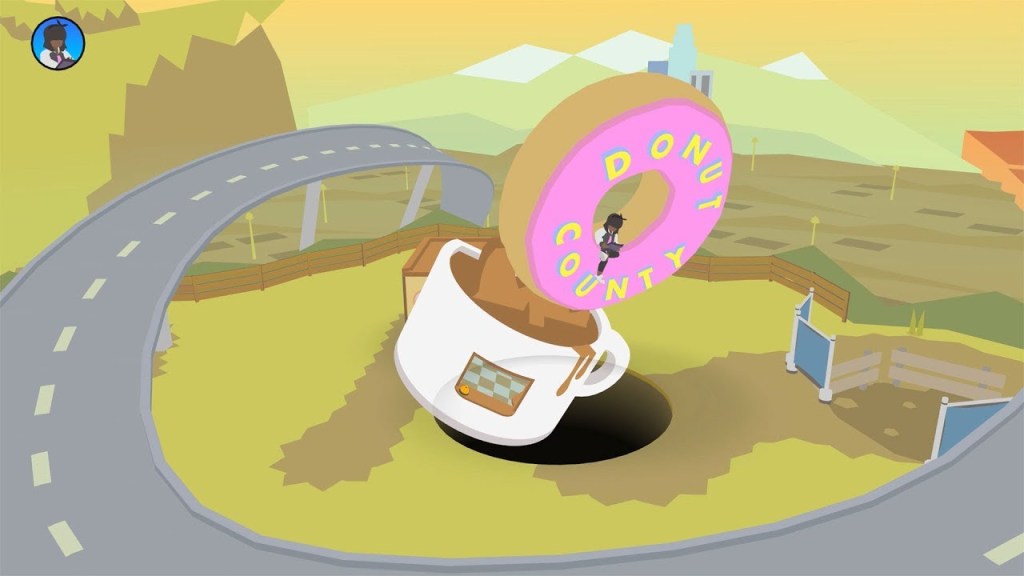
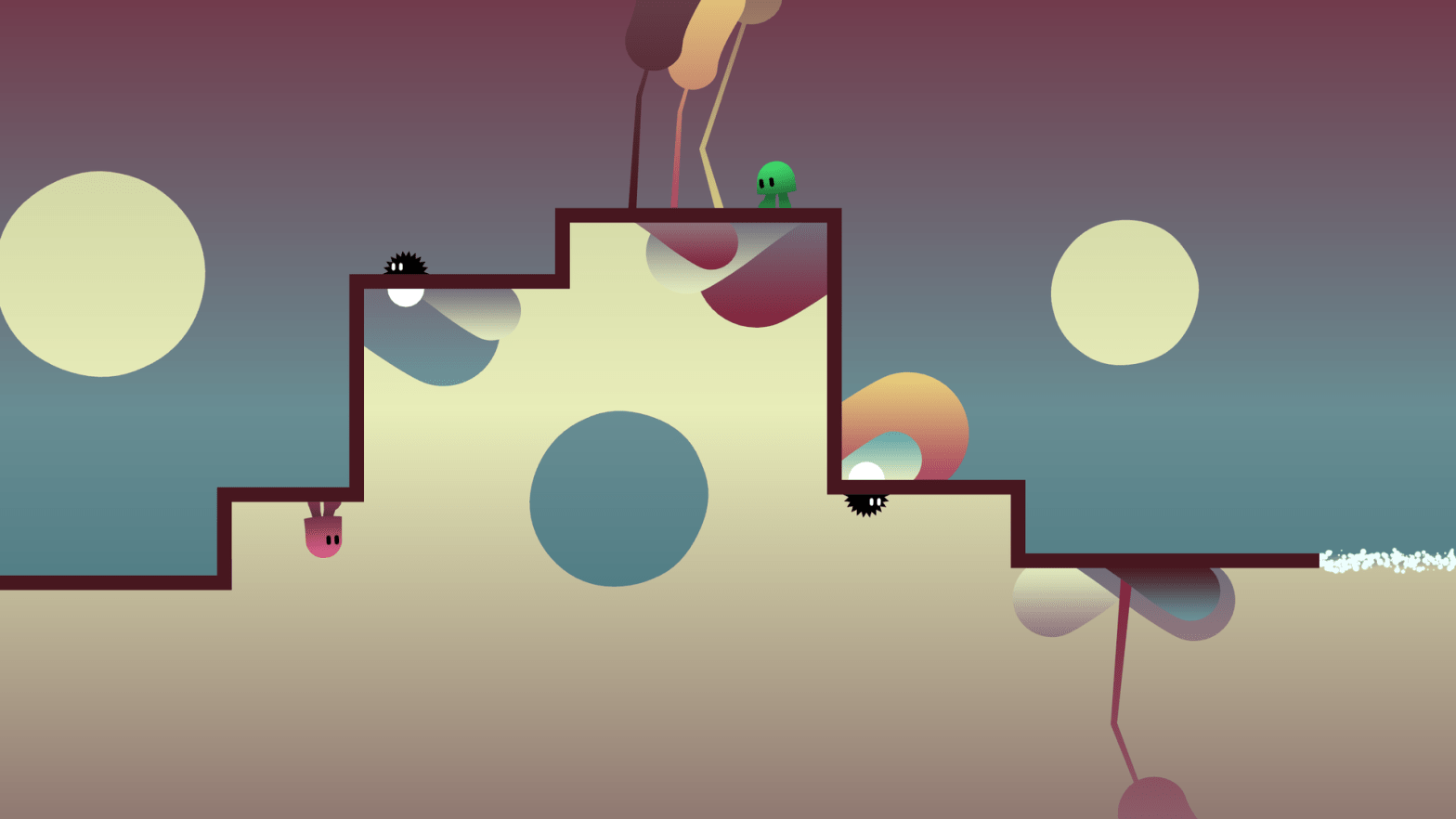
You play a hole. When things fall into you, you grow bigger and, thus, can swallow larger objects. This is the essential gameplay loop of Donut County, and there are worse ideas to build a game around, but there are also many better ideas. The problem is the general lack of substance. Donut County could really have used a few more mechanics to build out some puzzles or obstacles. Is it too obvious if I suggest there’s a bit of a hole at the center? That said, it’s partially redeemed by an amusing and occasionally even sweet plot involving a raccoon conspiracy to create more trash. So if you’re looking for something short, silly, and relaxing, Donut County might be worth the small investment, but you’re probably better off with its clearest inspiration: Katamari Damacy.
Score: 5 / 10
–Brian
I love donuts. Seriously – I think they’re amazing. What’s not to love about fried, airy cake you get to eat for breakfast?!? I digress.
When Brian pitched this game to me, I was skeptical and maybe slightly misled due to my donut lust. I firmly believed that you played as a donut (you do not) and that it was a prerequisite of the game that you eat donuts while playing (sadly, also no). You are a hole. Read that again, I wasn’t trying to be rude. You honestly play a hole that consumes everything from cobblestones to cacti. I also vaguely recall some sort of plot that involved raccoons and a quadcopter, but that was secondary to the oddly cathartic joy that came from swallowing that donut-shaped donut shop. If you have always desired to consume random objects in a cartoon world, Donut County is your game.
Score: 6 / 10
–Kelley
Shenmue (1999)
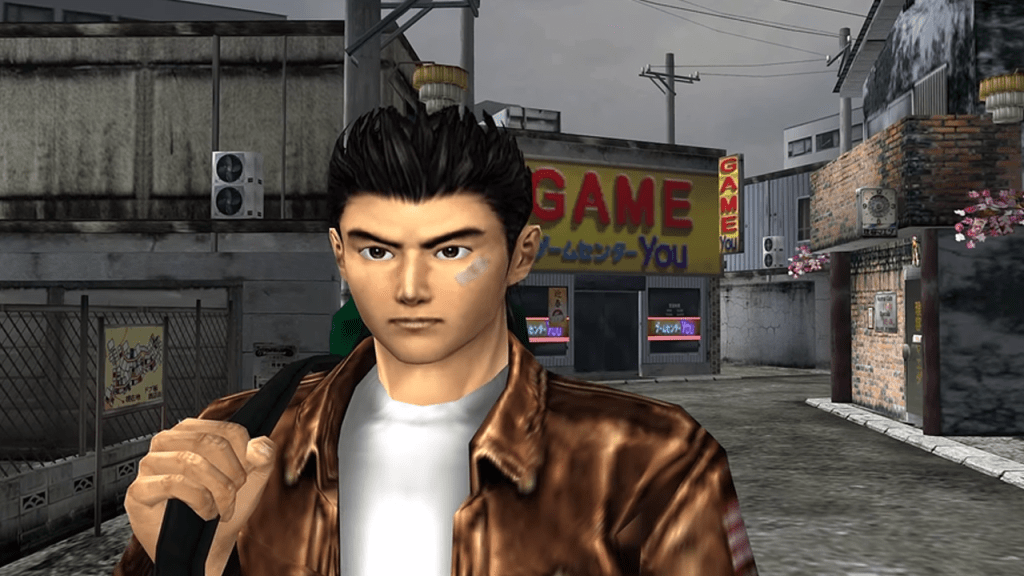
I’m going to get the good stuff out of the way first: Shenmue basically invented open-world gameplay. It’s a small, ugly open world, but populated with dozens of individual character models who move through 1980s Yokosuka on custom routines that span a full day-night cycle. End of the good stuff.
A Chinese gangster killed your father. You swear revenge. Excited? Don’t be. The search for clues involves quizzing random shopkeepers and dockworkers for variations on “I can’t help you with that,” and “I can’t talk right now,” until someone directs you to the next story trigger. This loop riveted folk in 1999 and fans continue to look forward to the next installment literally to this day. The appeal escapes me. Occasionally you get to punch and kick people, which is certainly a nice treat, but you’ll need to train your moves for them to be effective. And by train, I don’t mean spar against an AI. I mean find an empty parking lot and press the button combos over and over again alone. 400 times each for mastery. Shockingly, this isn’t even #1 or #2 on the countdown of most tedious Shenmue mechanics!
2nd place belongs to the job you can land (spoiler: it’s the only job and you have to take it) carting crates between identical warehouses using a forklift. If you rush, these segments will take about 5 hours. Period reviews effusively praised the realistic forklift controls. And who doesn’t love a good crate, the classic workhorse of video game design?
But the grand prize for bad game design belongs to waiting for required time windows to roll around. There is no mechanism for jumping to specific hours. I kept a book on my lap for the many occasions in which 5-30 real-time minutes needed to be burned before a story trigger. Endure all this drudgery and your reward will be a consolation prize cliff-hanger without so much as a glimpse of the man who killed your pa.
Score: 3 / 10
–Brian
For more in this series see 2019 Trios.


 Significant Gamers